Premium Housing Sector Flourishes, Holding 62% Market Share in 2025 India
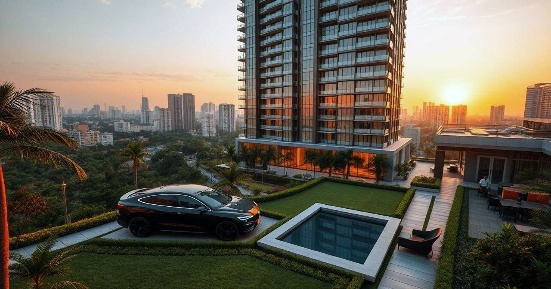
India’s real estate sector is undergoing a significant shift in 2025, with premium housing emerging as the clear frontrunner. Recent industry reports reveal that premium homes — defined as properties priced above ₹1.5 crore — have captured an unprecedented 62% share of the total housing market. This surge marks a structural transformation in buyer preferences, driven by rising incomes, lifestyle aspirations, and evolving urban needs.
The premium segment’s remarkable growth underscores how consumer priorities have changed. Traditionally, the affordable and mid-segment categories dominated housing sales in India. However, with growing disposable incomes and the aspirational mindset of millennials, buyers are now prioritising comfort, connectivity, and amenities over affordability alone.
Industry experts highlight that today’s buyers view premium housing not merely as an investment but as a reflection of lifestyle and status. “Premium housing has become a marker of success and stability, not just an investment,” observed a leading real estate consultant.
Several factors are fuelling this surge. Millennials and Non-Resident Indians (NRIs) are emerging as major contributors, with many keen to invest in homes that align with global living standards. Robust financing options, coupled with competitive home loan rates, have made luxury properties more accessible.
Additionally, the aspirational value of luxury living — marked by features such as smart home technology, sustainability measures, and exclusive lifestyle amenities — has added to the premium segment’s appeal. Developers, recognising this shift, are increasingly focusing on upscale projects, integrating modern designs with eco-friendly practices and world-class facilities.
Delhi-NCR, Mumbai, and Bengaluru have emerged as the epicentres of the premium housing boom. Delhi-NCR, in particular, has seen premium housing account for nearly two-thirds of all new residential launches in 2025. Developers in the region are responding with large-scale luxury projects, ranging from high-rise apartments to gated communities that combine security, green spaces, and advanced technology.
Mumbai continues to attract high-net-worth individuals seeking prime real estate in the country’s financial hub, while Bengaluru’s tech-driven economy has created strong demand among the city’s growing professional and entrepreneurial class.
Analysts view the rise of premium housing as more than just a short-term market trend. They argue it signals a structural transformation in India’s housing market. Where affordability once dictated choices, factors such as lifestyle, community living, and connectivity are now shaping decisions.
This shift also reflects India’s broader economic growth story. As the country witnesses a rise in urban middle and upper-middle-class households, demand for homes that provide not just shelter but also aspirational value will continue to grow.
While the surge in premium housing is positive for developers and investors, experts caution against overlooking the affordable and mid-segment categories. A large portion of India’s population still seeks budget-friendly housing options. Policymakers and developers may need to adopt inclusive growth strategies to ensure housing access across income groups, preventing the market from becoming overly skewed towards luxury.
The year 2025 has firmly established premium housing as the backbone of India’s real estate market. With demand supported by strong economic fundamentals, urbanisation, and aspirational lifestyles, the segment is expected to remain dominant in the years to come.
For developers, this means a continued focus on creating homes that blend luxury with sustainability and modern technology. For policymakers, it presents the challenge of balancing high-end growth with broader housing inclusivity.

...

...
...

...
...
...
...

...