Haryana State Government Leads with Village-Level Renewable Energy Solutions
The government of Haryana is making a concerted move to roll out decentralized renewable energy systems across its rural areas, aiming not just for grid expansion but for self-reliant, village-level green power hubs. The vision is to reshape how electricity is generated and consumed in villages, with solar, bio-energy and local generation playing key roles.
The plan draws inspiration from decentralized models abroad, such as those used in the Philippines with island-based micro-grids. The state’s energy minister emphasizes that villages should not simply be passive consumers of power from afar, but active nodes in energy generation.
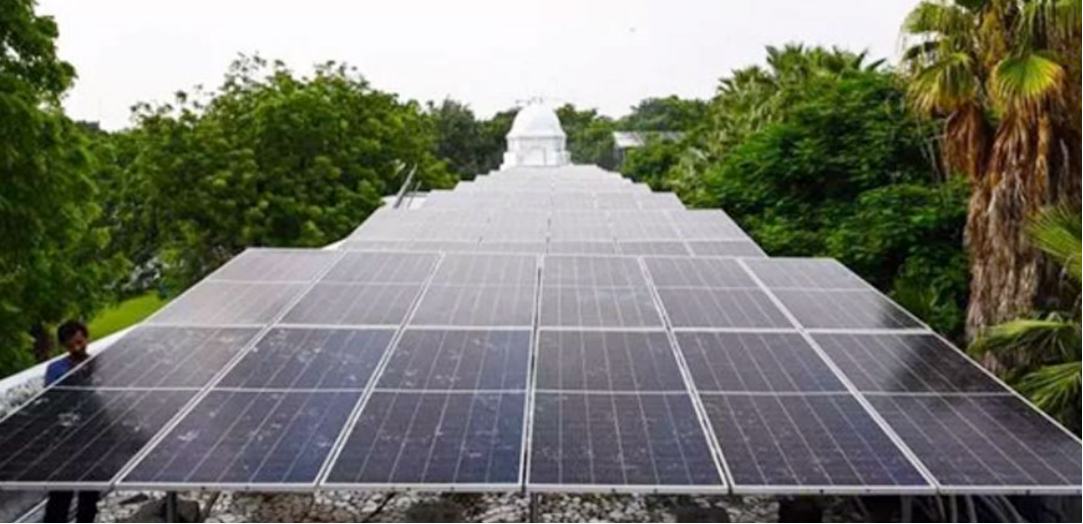
In practice, the scheme anticipates setting up solar power houses in villages, particularly to serve agricultural needs such as tube wells, with reliable and uninterrupted power supply.
For example, dedicated solar households and community solar plants are on the horizon. Under one programme, one village in each district will be designated as a “model solar village” where home lighting, water-pumps, street-lights and community services run on solar power.
Villages powered by locally produced renewables can enjoy multiple advantages. First, decentralized generation reduces dependency on distant large power plants and long transmission lines, thereby cutting losses and improving reliability. Second, when agriculture, water-pumping and household loads draw from solar or other local renewables, the burden on conventional power infrastructure is relieved.
Moreover, green-energy villages help Haryana progress on its environmental commitments. Expanding the renewable energy share supports the state’s strategy to integrate into global green value chains and reduce fossil-fuel usage at the local level.
Haryana’s plan to lead with village-level renewable energy solutions presents a forward-looking strategy—one that blends technology, local empowerment and environmental responsibility.