Chief Minister Directs Installation of Rooftop Solar Panels on All Government Buildings to Accelerate Clean Energy Transition
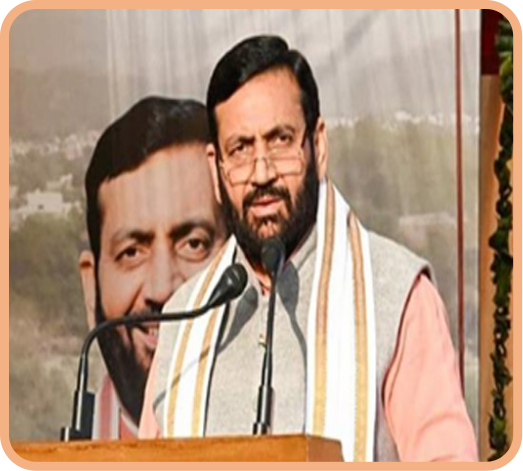
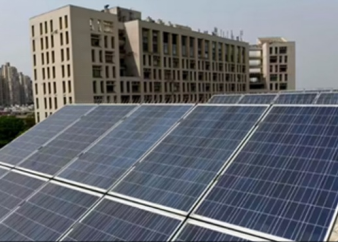
Haryana Chief Minister Nayab Singh Saini has directed that rooftop solar panels be installed on all government buildings across the state, including schools, hospitals, offices, and public facilities. The initiative aims to accelerate the state’s transition to clean energy, reduce electricity costs, lower carbon emissions, and set an example for sustainable practices in public infrastructure.
The government also has big plans to complete the installations by March 2027, making this a large-scale effort to harness renewable energy in rooftop solar solution system. Rooftop solar systems will not only provide power to government buildings but also contribute surplus electricity to the state grid, improving energy efficiency and reliability. The initiative is part of a broader strategy to expand solar energy, including the development of solar parks and the promotion of household solar adoption.
Officials will conduct surveys of all public buildings to determine feasibility, system capacity, and technical requirements. Specialized teams will oversee installation, maintenance, and integration with existing electrical infrastructure. This comprehensive approach also ensures that the systems function efficiently over the long term and deliver measurable environmental and financial benefits.
The program also emphasizes community engagement and awareness. By showcasing solar-powered government buildings, the state hopes to encourage private institutions and households to adopt similar sustainable practices. Educational institutions will have opportunities to incorporate renewable energy education into their curricula, helping to foster a culture of environmental responsibility among all students.
Financial planning for the project includes budget allocation for equipment, installation, and long-term maintenance. The government will explore partnerships with private companies and renewable energy experts to ensure high-quality implementation. The adoption of rooftop solar is expected to generate employment opportunities for technicians, engineers, and support staff, further contributing to the local economy.
By integrating solar energy into public buildings, the state aims to reduce dependency on conventional electricity sources and decrease greenhouse gas emissions. The move aligns with broader national and global targets for renewable energy adoption and climate change mitigation. Over time, the initiative is expected to result in significant cost savings for government departments and create a replicable model for other states and regions.
Challenges like these often include ensuring timely execution, maintaining system efficiency, and managing technical issues such as energy storage and grid compatibility. The government plans to monitor installations closely and provide ongoing support to maintain optimal performance. Training programs for staff and local technicians will help ensure that the systems continue to operate effectively after installation.
Overall, the rooftop solar directive represents a landmark step toward a sustainable future for Haryana. By transforming government buildings into energy-efficient, solar-powered facilities, the state not only reduces its environmental footprint but also demonstrates leadership in renewable energy adoption. The initiative reinforces Haryana’s commitment to clean energy, sustainability, and responsible governance, setting the stage for a greener, more resilient infrastructure landscape across the state.
...
...

...

...