Balagarh’s New Port Gate System Poised To Transform Hooghly Into Trading Hub
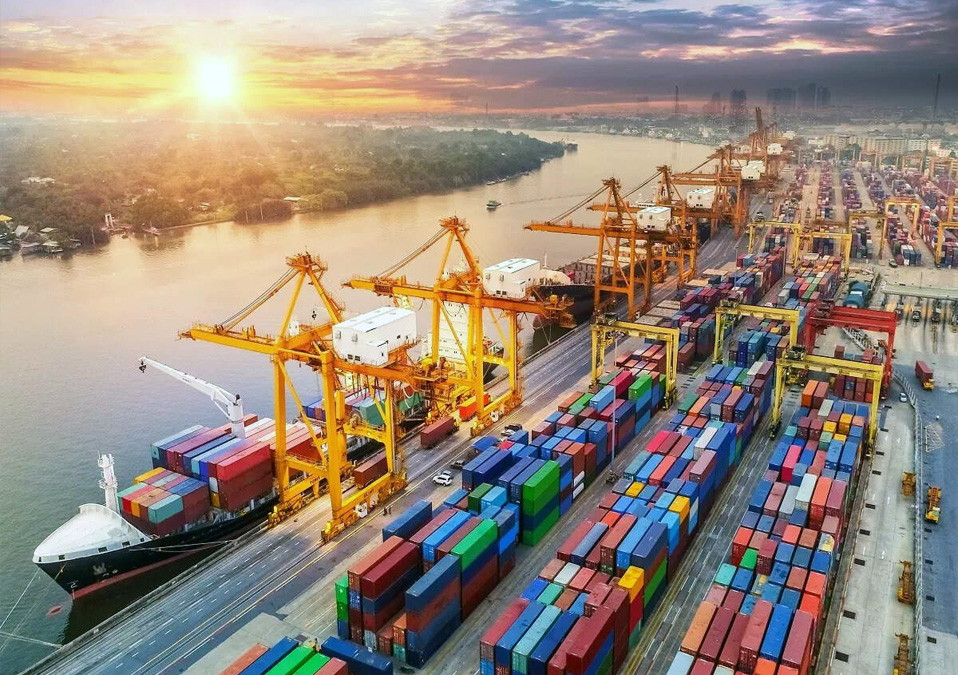
Balagarh in West Bengal is set to emerge as an important centre for inland waterway trade with the introduction of a modern port gate system along the Hooghly River. The new development is expected to strengthen river-based logistics, improve cargo movement, and support the transformation of the Hooghly region into a significant trading hub. The initiative reflects a broader effort to revitalise inland waterways and enhance the role of river transport in India’s economic and infrastructure growth.
The Hooghly River has historically played a vital role in Bengal’s commercial and maritime activities. For centuries, it served as a major channel for trade, connecting inland markets with coastal and international routes. However, with the expansion of road and rail networks in recent decades, river-based transportation gradually lost prominence. The new port gate system in Balagarh aims to reverse this trend by modernising infrastructure and making inland water transport more efficient and competitive.
The project focuses on creating a controlled and technologically advanced entry and exit system for vessels and cargo movement. The port gate system is designed to streamline operations, regulate traffic along the river channel, and ensure smoother cargo handling processes. By introducing structured logistics management, authorities hope to reduce delays, improve safety, and increase the efficiency of goods transportation through the Hooghly waterway.
One of the key advantages of the new system is its ability to support larger and more frequent cargo movements. With improved infrastructure, vessels carrying bulk commodities, agricultural products, and industrial goods will be able to navigate the river more effectively. This will make it easier for businesses to transport goods between inland regions and major ports, reducing dependency on congested road networks.
The development is also expected to strengthen the economic prospects of Balagarh and nearby areas. Improved trade activity can encourage investment in warehousing, logistics facilities, and industrial units. Local businesses may benefit from faster transportation and better market connectivity, while new employment opportunities could emerge in port operations, transport services, and related sectors.
Another important aspect of the project is its potential to reduce transportation costs. Inland water transport is widely considered one of the most cost-effective and environmentally sustainable modes of moving goods. By shifting part of the cargo traffic from roads to waterways, the project could help reduce fuel consumption, lower emissions, and ease highway congestion. This approach aligns with national efforts to promote greener logistics and sustainable infrastructure.
The port gate system also forms part of a broader strategy to strengthen India’s inland waterway network. The Hooghly River is a crucial segment of the National Waterway system, which aims to connect different regions through navigable rivers and canals. By upgrading infrastructure along these waterways, authorities hope to create an integrated transportation network that supports trade and economic development. Local communities are expected to play an important role in the success of the project.

...
...

...
...