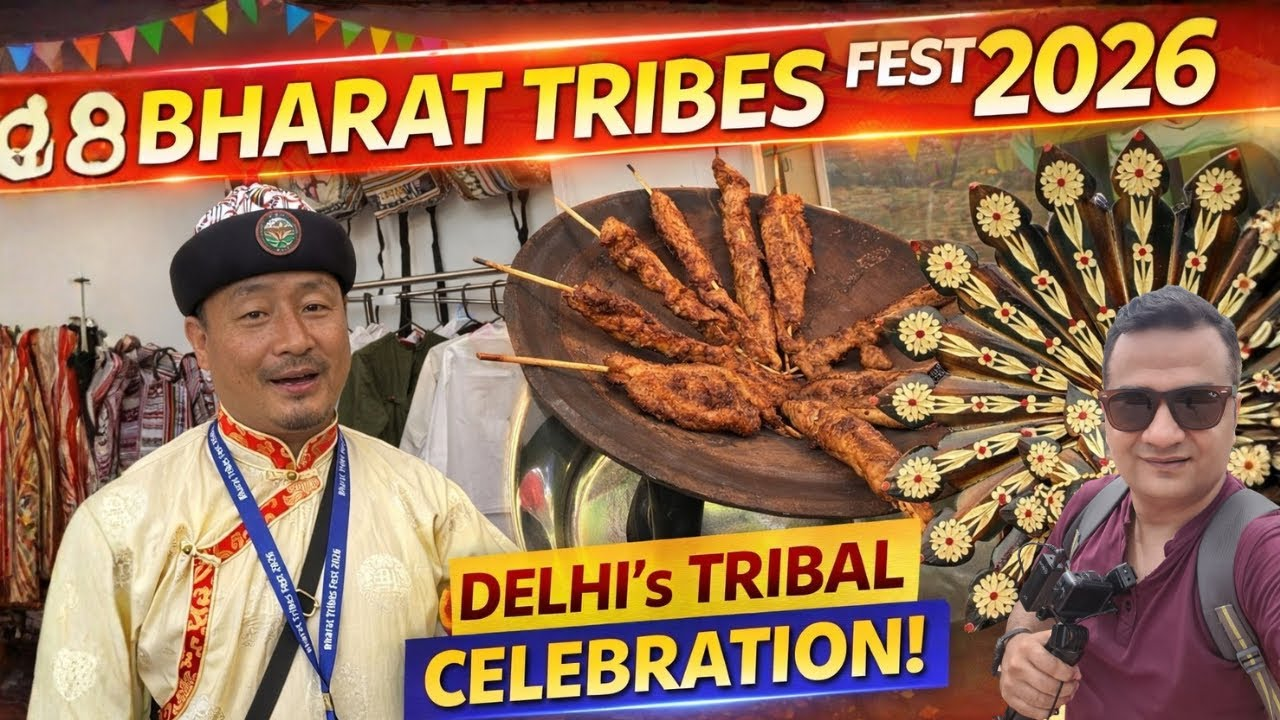
Bharat Tribes Fest 2026 Celebrates Indigenous Art and Entrepreneurship at Sunder Nursery
The vibrant tapestry of India’s indigenous heritage came alive at the Bharat Tribes Fest 2026, held at the serene and historic Sunder Nursery. The festival, organized with the vision of celebrating tribal identity, creativity, and entrepreneurship, brought together artisans, performers, and cultural ambassadors from across the country, offering visitors an immersive glimpse into the rich traditions of India’s tribal communities.
Set against the lush green backdrop of Sunder Nursery, the event created a harmonious blend of nature and culture. The venue itself, known for its Mughal-era heritage and contemporary ecological design, provided an ideal setting for showcasing the deep-rooted connection between tribal communities and the environment. From intricately designed stalls to open-air performance arenas, every corner of the festival reflected authenticity and cultural pride.
At the heart of Bharat Tribes Fest 2026 was its expansive exhibition of tribal art and handicrafts. Artisans from regions such as Odisha, Chhattisgarh, Jharkhand, Nagaland, and Rajasthan displayed their exquisite creations, ranging from hand woven textiles and bamboo crafts to metalwork and tribal jewelry. Each product told a story of heritage, skill, and generations of knowledge passed down through families. Visitors had the unique opportunity to interact directly with the artisans, gaining insight into the techniques and cultural significance behind each piece.
One of the standout features of the festival was its strong focus on promoting tribal entrepreneurship. Dedicated business zones and startup kiosks highlighted how traditional skills are being transformed into sustainable livelihoods. Government initiatives, NGOs, and private organizations collaborated to provide tribal entrepreneurs with platforms to market their products, access funding, and connect with broader markets. Workshops and panel discussions were organized to guide artisans on branding, digital marketing, and e-commerce integration, ensuring that their crafts find relevance in the modern economy.
The festival also served as a cultural confluence, with daily performances showcasing the diversity of tribal traditions. From the energetic Santhali dances of Jharkhand to the rhythmic Bihu performances of Assam and the vibrant Ghoomar-inspired tribal variations of Rajasthan, the stage was alive with color, music, and movement. Traditional instruments, folk songs, and storytelling sessions further enriched the experience, drawing enthusiastic applause from audiences of all ages.
Food lovers were treated to a delightful culinary journey through India’s tribal regions. The food court featured authentic tribal cuisines, often prepared using organic and locally sourced ingredients. Visitors sampled unique dishes such as bamboo shoot curries, millet-based breads, smoked meats, and herbal beverages. These culinary offerings not only introduced new flavors but also highlighted the sustainable and health-conscious food practices followed by tribal communities for centuries.
Another key highlight of Bharat Tribes Fest 2026 was its emphasis on sustainability and eco-conscious living. Many of the showcased products were made using natural, biodegradable materials such as bamboo, jute, clay, and forest produce. Demonstrations on sustainable harvesting, organic farming, and forest conservation underscored the role of tribal communities as custodians of nature. The festival encouraged visitors to adopt environmentally friendly lifestyles, aligning with global efforts toward sustainability.
The event also featured interactive zones for children and young visitors, including craft workshops, storytelling sessions, and educational exhibits. These activities aimed to foster awareness and appreciation for tribal cultures among the younger generation. By engaging children in hands-on experiences, the festival ensured that the legacy of indigenous traditions continues to inspire future generations.
In addition to cultural and commercial activities, Bharat Tribes Fest 2026 also served as a platform for dialogue and policy engagement. Thought leaders, policymakers, and social entrepreneurs participated in discussions on issues such as tribal rights, education, healthcare, and economic empowerment. These conversations highlighted the challenges faced by tribal communities while also exploring innovative solutions to support their development without compromising their cultural identity.
The presence of government representatives and dignitaries further emphasized the importance of such initiatives in promoting inclusive growth. Various schemes aimed at supporting tribal welfare, skill development, and entrepreneurship were showcased, encouraging greater participation and awareness among both artisans and visitors.
What truly set Bharat Tribes Fest 2026 apart was its ability to bridge the gap between tradition and modernity. While deeply rooted in cultural authenticity, the festival embraced contemporary approaches to promotion and engagement. Digital payment options, social media campaigns, and live streaming of performances ensured wider reach and accessibility, allowing people from across the country—and even abroad—to experience the festival virtually.
For many artisans, the festival proved to be more than just an exhibition; it was a transformative opportunity. Increased visibility, direct sales, and valuable networking connections opened new avenues for growth. For visitors, it was an enriching experience that went beyond entertainment, offering a deeper understanding of India’s indigenous communities and their invaluable contributions to the nation’s cultural fabric.

...
...
...
...