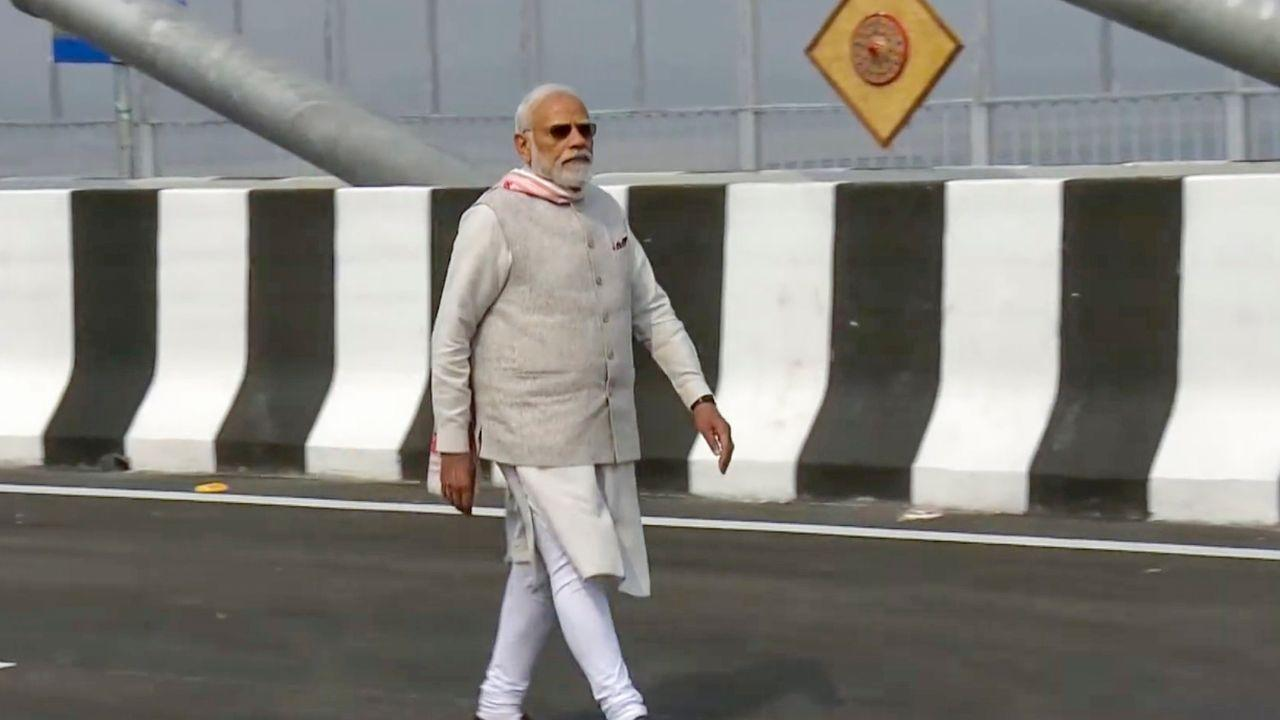
Historic “Vikas Parv”: PM Narendra Modi Unveils Development Projects Worth ₹47,600 Crore in Assam
The announcement of large-scale development initiatives under the banner of “Vikas Parv” marks a significant milestone in the growth trajectory of Northeast India. In a landmark move, Narendra Modi unveiled projects worth ₹47,600 crore in Assam, reinforcing the central government’s commitment to transforming the region into a hub of connectivity, economic opportunity, and sustainable progress.
The unveiling ceremony, attended by state leadership, industry stakeholders, and thousands of citizens, symbolized more than just the launch of infrastructure projects—it reflected a broader vision of inclusive development and regional empowerment. Over the years, the Northeast has transitioned from being geographically isolated to becoming a strategic gateway to Southeast Asia, and these projects are expected to accelerate that transformation.
At the heart of the initiative lies a strong focus on infrastructure development. Several road and highway expansion projects were announced, aimed at improving intra-state and inter-state connectivity. These projects will not only reduce travel time but also enhance trade and mobility across the region. The emphasis on roadways is complemented by major investments in railway infrastructure, including modernization of stations and expansion of rail lines to previously underserved areas.
One of the most impactful aspects of the development package is the push for bridge construction over the Brahmaputra River, a lifeline of Assam. These bridges are expected to significantly ease transportation bottlenecks, connect remote regions, and support economic integration. Improved connectivity will also boost tourism, allowing easier access to Assam’s rich cultural and natural heritage.
Energy and sustainability form another critical pillar of the announced projects. Investments in renewable energy, power transmission, and electrification aim to ensure reliable energy access across rural and urban areas. This is particularly crucial for industries and small businesses, which depend on consistent power supply for growth. Additionally, the focus on green energy aligns with India’s broader commitment to environmental sustainability.
The healthcare sector has also received substantial attention under the Vikas Parv initiative. New medical colleges, hospitals, and health infrastructure upgrades are part of the package, aiming to improve access to quality healthcare services. These developments are expected to reduce the burden on existing facilities and bring advanced medical care closer to rural populations.
Education and skill development are key components of the long-term vision. The government has announced initiatives to strengthen higher education institutions, establish skill development centers, and promote vocational training. These measures are designed to equip the youth of Assam with the skills needed to participate in emerging industries and contribute to the region’s economic growth.
Agriculture, a backbone of Assam’s economy, is also set to benefit from targeted investments. Projects focused on irrigation, storage facilities, and value chain development will help farmers increase productivity and income. Additionally, support for agro-based industries is expected to create employment opportunities and promote rural entrepreneurship.
The development push extends to urban transformation as well. Smart city initiatives, improved water supply systems, waste management projects, and housing schemes are part of the comprehensive plan to enhance the quality of life in urban centers. These initiatives aim to create sustainable and livable cities that can support growing populations.
A notable aspect of the Vikas Parv initiative is its emphasis on employment generation. The scale of the projects is expected to create thousands of direct and indirect jobs, providing a significant boost to the local economy. From construction and engineering to services and manufacturing, multiple sectors stand to benefit from the increased economic activity.
Strategically, the development of Assam holds national and international significance. As a key state in the Northeast, Assam serves as a gateway to neighboring countries such as Bhutan, Bangladesh, and Myanmar. Enhanced infrastructure and connectivity will strengthen trade routes and position the region as a vital link in India’s Act East Policy.
The announcement also underscores the government’s focus on balanced regional development. Historically, the Northeast has faced challenges related to connectivity, investment, and infrastructure. By prioritizing large-scale projects in Assam, the government aims to bridge these gaps and ensure that the benefits of growth are distributed more evenly across the country.
Public response to the initiative has been largely positive, with many viewing it as a turning point for the region. Stakeholders across sectors have expressed optimism about the potential impact of these projects on economic growth and social development. However, effective implementation and timely completion will be crucial to realizing the full benefits of the announced initiatives.
Environmental considerations will also play a key role in the execution of these projects. Assam’s rich biodiversity and ecological sensitivity require a balanced approach to development. Ensuring that infrastructure expansion does not compromise environmental sustainability will be essential for long-term success.