Haryana Strengthens Civic Services with 1,646 Ward Committees and ₹829-Crore Panchkula Upgrades
A sweeping governance blitz decentralises civic administration with 48-hour resolution helplines and transformative urban infrastructure.
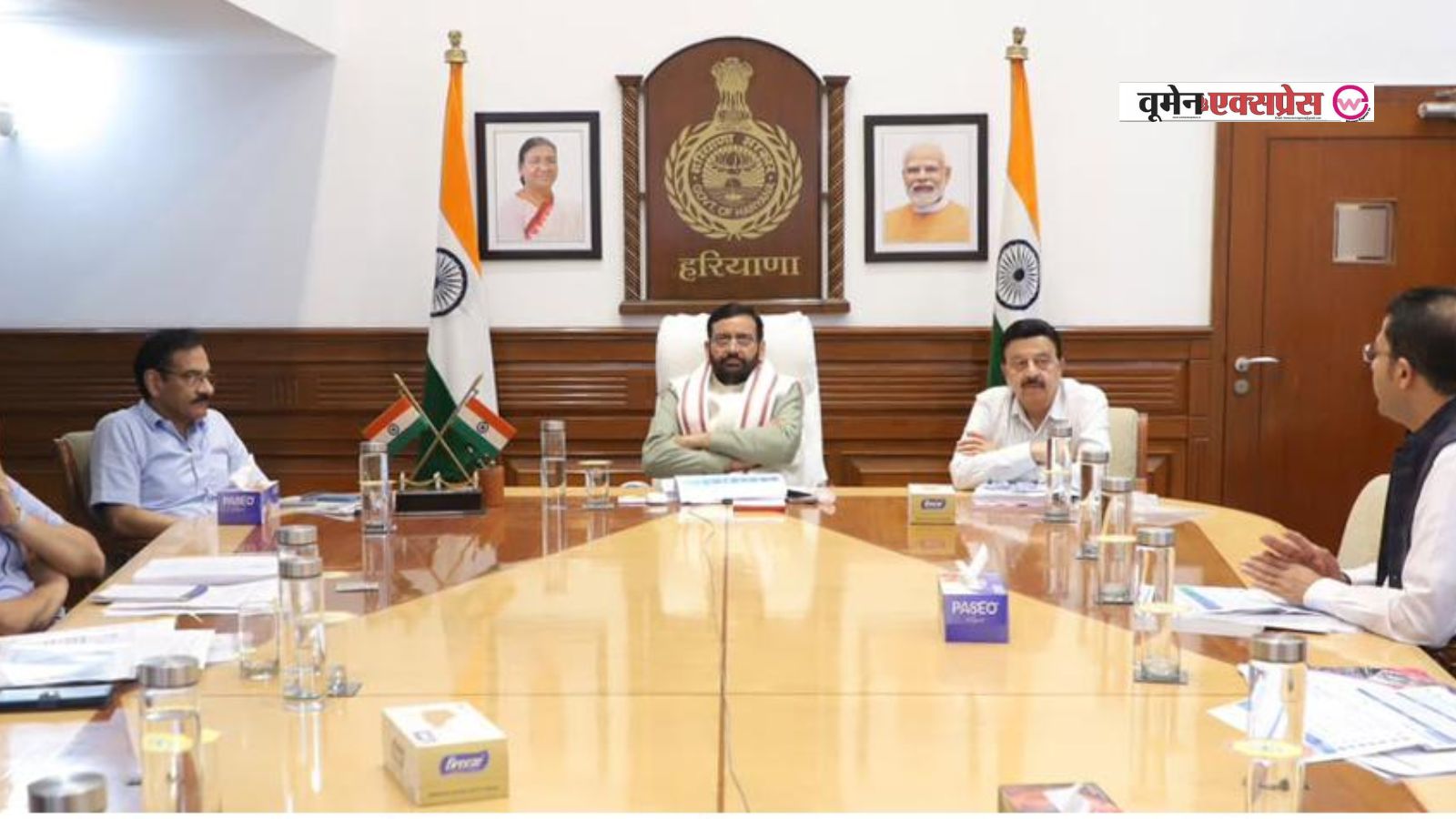
In a decisive push toward deep democratic decentralisation and responsive urban governance, the Government of Haryana has officially operationalised 1,646 Ward Committees across all Municipal Corporations, Municipal Councils, and Municipalities in the state. Spearheaded by Chief Minister Nayab Singh Saini and the Urban Local Bodies Department, this landmark reform bridges the historic divide between municipal secretariats and neighborhood communities, establishing a transparent, accountable mechanism where citizens hold direct stewardship over their local civic environment.
Under the newly notified framework, each Ward Committee comprises the elected ward councillor, resident welfare association (RWA) delegates, nominated women community leaders, and designated junior civic engineers. Meeting bi-weekly, these committees possess the statutory authority to inspect municipal works, allocate micro-budgets for localized road patching and sanitation drives, monitor solid waste segregation, and ensure streetlighting functionality. Crucially, the system is backed by a state-wide 48-Hour Grievance Redressal Mandate: complaints logged through dedicated WhatsApp citizen helplines or the integrated CM Window portal trigger automated escalation alerts if not resolved within two working days.
Simultaneously, the state government unveiled a comprehensive ₹829-crore developmental package for the planned city of Panchkula. Designed to future-proof the foothills metropolis against extreme climate patterns, the allocation funds an extensive overhaul of the city’s stormwater drainage channels, eliminating monsoon waterlogging across low-lying sectors. The package also finances a complete transition of Panchkula's streetlights to smart solar-powered LED grids and the ecological revival of urban lakes, natural waterbodies, and linear green corridors along the Shivalik foothills.
This civic resurgence is accompanied by major regional connectivity and social welfare milestones across Haryana. The state cabinet sanctioned ₹91.97 crore for a crucial four-lane flyover at Rohtak’s heavily congested Jind Bypass Chowk, providing uninterrupted transit for interstate logistics and commercial commuters. On the social security front, the administration expanded the Ladli Social Security Pension Scheme, disbursing regular direct financial assistance to 42,758 beneficiary families with only female children. Together, these initiatives signal Haryana's unwavering commitment to building sustainable, citizen-centric cities underpinned by speed, transparency, and inclusive social justice.