Haryana Cabinet Approves ₹4,016 Crore Infrastructure Projects Including Power Distribution and Urban Development
The Haryana government has taken a major step toward strengthening the state’s infrastructure by approving development projects worth ₹4,016 crore, covering key sectors such as power distribution, urban development, roads, bridges, and social infrastructure. The decision was taken in a meeting of the High Powered Works Purchase Committee, held in Chandigarh under the chairmanship of Chief Minister Nayab Singh Saini. The committee examined and cleared 58 major tenders after detailed discussions and negotiations with executing agencies, ensuring both timely execution and financial efficiency. Notably, the government achieved savings of nearly ₹150 crore through negotiations, reducing the overall financial burden on the state exchequer while maintaining project quality.
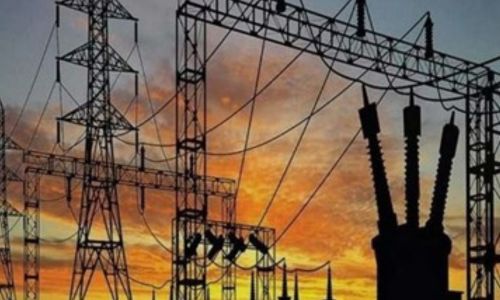
A significant portion of the approved investment has been allocated to strengthening Haryana’s power distribution infrastructure. With rapid urbanization, industrial expansion, and increasing household electricity demand, improving the reliability and efficiency of power supply has become a top priority for the state. The approved projects include the construction of new 33 kV substations, augmentation of existing substations, laying of new power lines, and replacement of outdated distribution equipment in areas served by Dakshin Haryana Bijli Vitran Nigam and Uttar Haryana Bijli Vitran Nigam. These upgrades aim to reduce technical losses, prevent frequent power outages, and ensure stable electricity supply for domestic, commercial, and industrial consumers.
In addition to conventional infrastructure upgrades, the government has approved the implementation of advanced technology systems such as Supervisory Control and Data Acquisition and Distribution Management Systems in key urban centers, particularly Gurugram. These systems will allow real-time monitoring of the power network, faster detection of faults, and quicker restoration of services during outages. By adopting such technology-driven solutions, Haryana aims to modernize its power distribution network and bring it in line with the requirements of a growing digital economy.
Urban development and road infrastructure form another major component of the approved projects. In the Sonipat Metropolitan Development Authority area, several important road stretches have been approved for widening and up gradation to four-lane standards. These projects are expected to improve traffic flow, reduce congestion, and support the region’s expanding residential and industrial zones. Better road connectivity is also seen as a catalyst for attracting investment and supporting economic activity in fast-growing urban clusters.
In Panchkula, the committee approved the construction of a high-level bridge over the Ghaggar river. This long-awaited project is expected to significantly improve connectivity between different sectors of the city, particularly during the monsoon season when water levels rise and traffic movement becomes difficult. The bridge will benefit daily commuters, emergency services, and commercial transport, while also contributing to the city’s long-term urban planning goals.
The government has also placed emphasis on improving the urban environment and public spaces. Projects related to the beautification and rejuvenation of water channels flowing through urban areas have been approved as part of the infrastructure package. These initiatives are expected to enhance the aesthetic appeal of cities, improve water management, and contribute to sustainable urban development by integrating environmental considerations into infrastructure planning.
Social infrastructure has received attention alongside physical development. The committee approved the construction of modern working women’s hostels in areas such as Sector 78 in Faridabad and Sector 9 in Gurugram. These hostels will provide safe, affordable, and well-equipped accommodation for working women, particularly those employed in private offices, industrial units, and service sectors. Such facilities are expected to encourage greater workforce participation by women and support inclusive urban growth.
The approval meeting witnessed the participation of several senior ministers and officials from departments such as energy, public works, education, irrigation and water resources, and revenue and disaster management. Their presence reflected a coordinated and multi-departmental approach to infrastructure development, ensuring that projects align with broader policy objectives and sectorial needs.
These infrastructure approvals are part of Haryana’s broader strategy to position itself as a leading state in terms of industrial growth, urban living standards, and public service delivery. Improved power distribution supports manufacturing units, IT parks, and small businesses, while better roads and bridges enhance mobility and logistics efficiency. Investments in social infrastructure and urban amenities further improve quality of life and make cities more live able.
The timing of this infrastructure push is significant, as Haryana continues to witness rapid urban expansion and rising expectations from citizens. The government’s emphasis on negotiation-driven savings also highlights its commitment to responsible financial management. By balancing large-scale investment with cost efficiency, the state aims to maximize development outcomes without placing undue pressure on public finances.
In conclusion, the Haryana Cabinet’s approval of ₹4,016 crore worth of infrastructure projects marks an important milestone in the state’s development journey. Covering power distribution, urban roads, bridges, technology upgrades, environmental improvements, and social infrastructure, the approved projects reflect a comprehensive and forward-looking approach to growth.