Haryana’s GCC Policy: A Blueprint for High-Skilled Jobs and Economic Growth
Targeting over 100 new Global Capability Centres and 30,000+ high-tech jobs, Haryana transforms into an innovation engine for Fortune 500 multinationals.
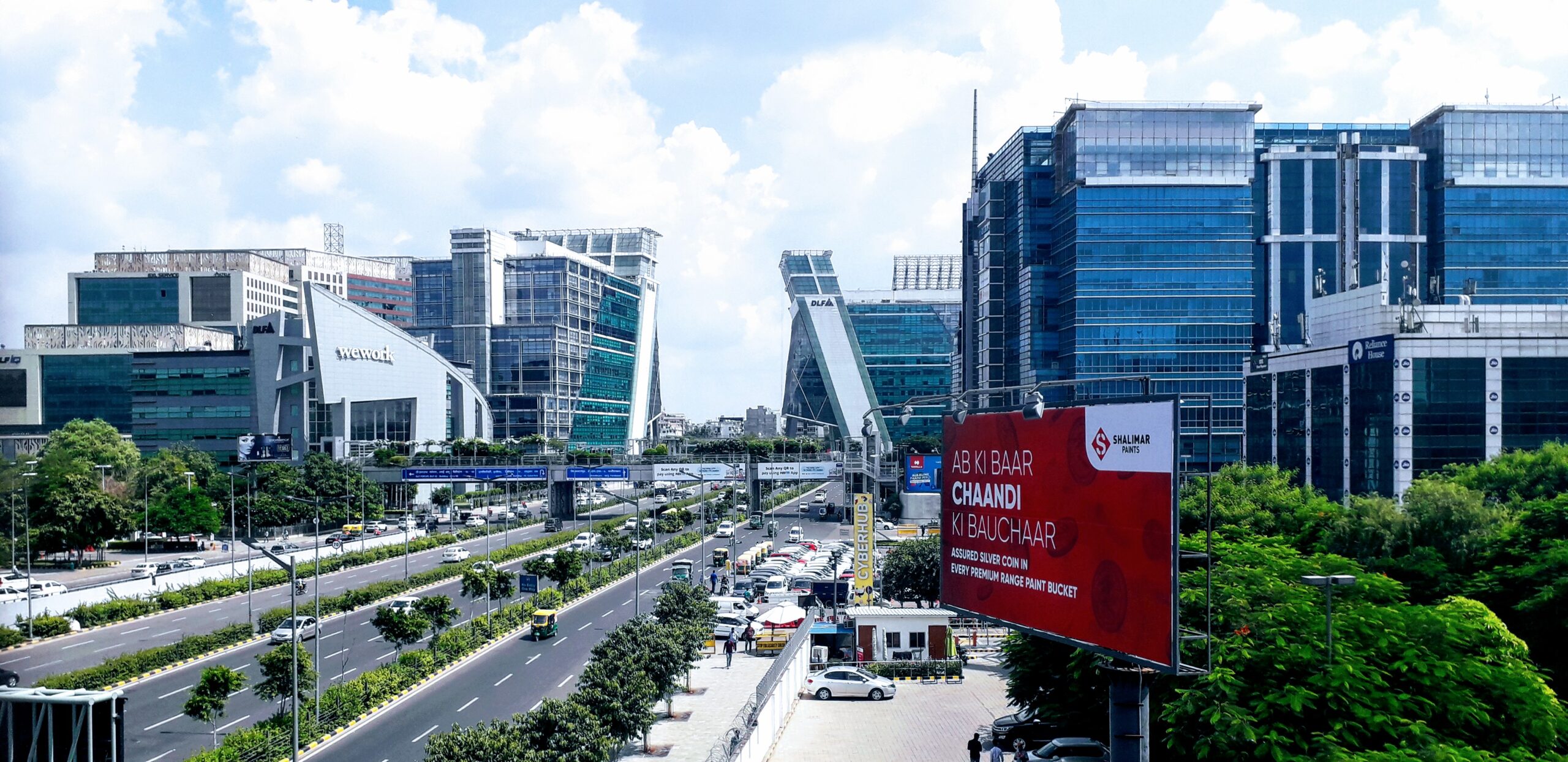
Haryana has officially unveiled its visionary Global Capability Centres (GCC) Policy 2026, cementing the state’s position as a premier global hub for high-end technology, engineering, cybersecurity, and financial innovation. The policy sets an ambitious goal to attract more than 100 new multinational GCCs and create over 30,000 high-skilled jobs over the next five years.
Modern Global Capability Centres have evolved far beyond traditional outsourcing. Today, they serve as strategic innovation powerhouses directly driving corporate strategy, artificial intelligence model deployment, cloud architecture, and proprietary intellectual property for Fortune 500 enterprises worldwide.
Expanding Beyond the Cyber City Corridor
While Gurugram remains India’s undisputed corporate capital—housing hundreds of multinational headquarters—the new policy strategically incentivizes companies to set up centers in emerging tier-2 urban clusters including Panchkula, Faridabad, Hisar, and Manesar.
To attract international investors, the Haryana government has introduced an aggressive package of financial incentives covering capital expenditure (CAPEX), operational expenditure (OPEX), research grants, talent training reimbursements, and state-of-the-art plug-and-play digital infrastructure.
Fueling a ₹5 Lakh Crore Economic Vision
The GCC Policy constitutes a cornerstone of Haryana’s overarching industrial masterplan to attract ₹5 lakh crore in cumulative investments and generate 10 lakh jobs across high-growth domains: semiconductor chip design, algorithmic finance, autonomous automotive software, and clean energy tech.
Supported by proximity to the National Capital Region, unmatched highway connectivity, and a dense pool of STEM graduates, Haryana is not merely competing with established global technology hubs—it is defining the future of India's knowledge economy.