Two Young Writers from Assam Win Sahitya Akademi Yuva Puraskar 2025 for Contributions to Assamese and Bodo Literature
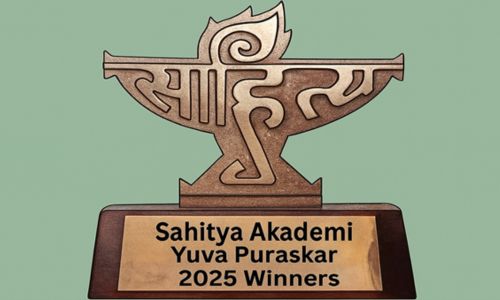
Two young writers from Assam have brought national recognition to the state by winning the Sahitya Akademi Yuva Puraskar 2025 for their outstanding contributions to Assamese and Bodo literature. The prestigious award, instituted by the Sahitya Akademi to encourage young literary talent, celebrates creativity, linguistic diversity, and contemporary literary expression across India’s many languages.
The awardees, both under the age of 35, were selected for their original works that reflect depth of thought, cultural rootedness, and innovative literary style. Their achievements highlight Assam’s rich literary traditions and the continued vibrancy of its regional languages in the modern literary landscape.
The Assamese-language awardee was honored for a work that explores contemporary social realities through nuanced storytelling and evocative language. Drawing inspiration from everyday life in Assam, the writer’s work reflects themes such as identity, change, memory, and the tension between tradition and modernity. Literary critics have noted that the book stands out for its sensitivity, lyrical prose, and ability to connect personal experiences with broader social concerns.
The recognition of a Bodo-language writer is particularly significant, as it underscores the growing prominence of Bodo literature at the national level. The award-winning work in Bodo is noted for its powerful portrayal of community life, historical consciousness, and cultural resilience. By addressing issues faced by indigenous communities while celebrating their traditions and values, the writer has contributed to strengthening the literary voice of the Bodo language.
For Assam, the recognition of two young writers in the same year is a moment of pride. The state has a long and distinguished literary history, with figures such as Lakshminath Bezbaroa, Birendra Kumar Bhattacharya, and Mamoni Raisom Goswami shaping Assamese literature over generations. The success of young writers today reflects the continuity of this tradition, as well as its evolution to address contemporary themes and voices.
The award has been welcomed by literary circles, educators, and cultural organizations across Assam. Many have highlighted that such recognition can inspire more young people to engage with writing in their mother tongues, at a time when regional languages face challenges from declining readership and increasing dominance of global languages. Encouraging creative expression in Assamese and Bodo is seen as essential for preserving cultural identity and linguistic diversity.
Both awardees have expressed gratitude for the recognition and acknowledged the influence of their cultural roots, teachers, and literary mentors. They have also emphasized the responsibility that comes with such an honor, stating that it motivates them to continue writing with honesty and commitment. Their success serves as a reminder that literature remains a powerful medium for storytelling, reflection, and social dialogue.
Conclusion
The Sahitya Akademi Yuva Puraskar 2025 thus not only celebrates individual achievement but also shines a spotlight on Assam’s evolving literary landscape. By recognizing excellence in both Assamese and Bodo literature, the awards reaffirm the importance of regional languages in India’s cultural fabric and signal a promising future for young writers from the Northeast.
...
...

...
...