Haryana Unveils Green Hydrogen Policy as Panipat Mega Project Gains Rapid Momentum
The Government of Haryana has taken a major leap toward clean energy transition with the unveiling of its ambitious Green Hydrogen Policy, positioning the state as a key player in India’s renewable energy future. The policy comes at a time when the Panipat mega project in Panipat is gaining rapid momentum, signaling strong intent to build a sustainable and innovation-driven industrial ecosystem.
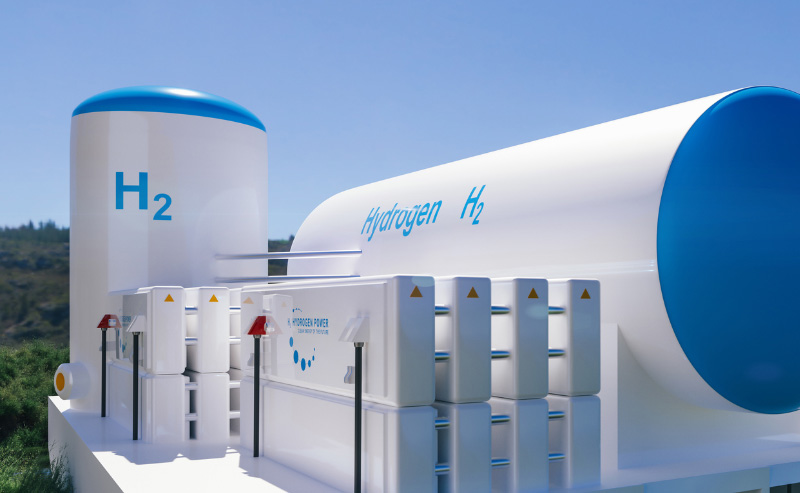
Green hydrogen, produced using renewable energy sources, is increasingly being recognized as a critical solution for reducing carbon emissions in hard-to-abate sectors such as refining, fertilizers, and heavy transport. Haryana’s policy aims to capitalize on this potential by creating a supportive regulatory framework, offering incentives, and attracting investments from both domestic and global players.
A central highlight of the policy is the development of a large-scale green hydrogen production hub in Panipat. The city, already known for its robust industrial base, is home to the Indian Oil Corporation refinery—one of the largest in the country. The integration of green hydrogen into existing refining processes is expected to significantly reduce the carbon footprint while improving efficiency and sustainability.
The Haryana government has outlined a series of incentives to accelerate adoption and production. These include subsidies on capital investment, exemptions on electricity duty, and support for infrastructure development such as dedicated pipelines and storage facilities. By lowering the cost barriers, the policy aims to make green hydrogen commercially viable and competitive with conventional fuels.
In addition to industrial applications, the policy envisions the use of green hydrogen in mobility, particularly in public transport and logistics. Pilot projects for hydrogen-powered buses and fuel cell vehicles are expected to be launched, aligning with India’s broader goals under the National Green Hydrogen Mission. This integration could pave the way for cleaner urban transport systems and reduced dependence on fossil fuels.
The Panipat project is also expected to generate significant employment opportunities, both directly and indirectly. From construction and engineering to operations and maintenance, the initiative will require a skilled workforce, prompting investments in training and capacity-building programs. Educational institutions and technical centers in Haryana are likely to play a crucial role in preparing the workforce for emerging green technologies.
Another important aspect of the policy is its focus on research and innovation. The government plans to collaborate with academic institutions, research organizations, and private companies to develop advanced technologies for hydrogen production, storage, and utilization. These efforts will not only enhance efficiency but also position Haryana as a hub for cutting-edge clean energy research.
Environmental sustainability lies at the heart of the Green Hydrogen Policy. By promoting the use of renewable energy sources such as solar and wind power for hydrogen production, the state aims to significantly cut greenhouse gas emissions. This aligns with India’s commitments under international climate agreements and its broader vision of achieving net-zero emissions in the coming decades.

...
...

...
...