Scientific Processing Of Legacy Waste Revolutionizes Urban Sanitation in Gurugram District
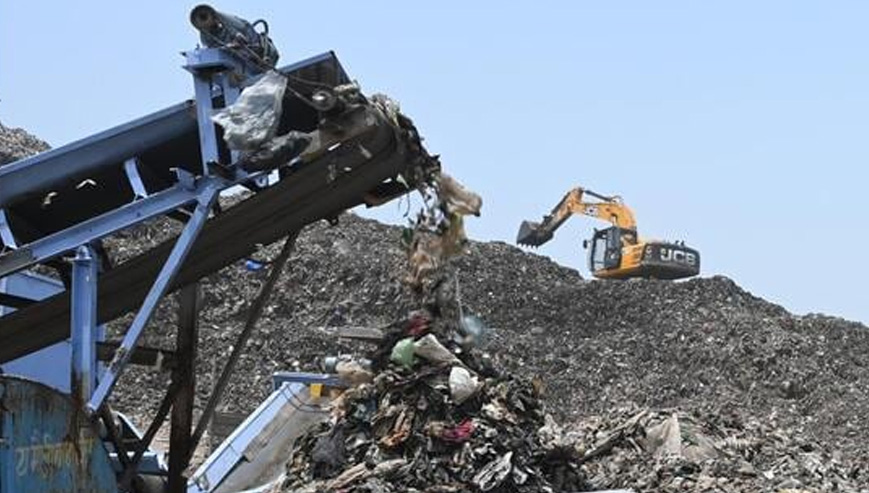
The scientific processing of legacy waste in Gurugram district is emerging as a transformative step in improving urban sanitation and environmental management. For years, large volumes of untreated waste had accumulated at landfill sites, creating serious concerns related to pollution, public health and ecological degradation. The new approach focuses on clearing these long-standing waste dumps through structured and technology-driven methods rather than traditional dumping practices.
Under the scientific processing framework, accumulated municipal solid waste is being treated using advanced mechanical and bio-remediation techniques. These processes involve segregating waste into different components such as recyclable material, compostable matter, inert residue and refuse-derived fuel. By converting old waste into usable or manageable forms, the overall volume of landfill material is significantly reduced, making land more stable and environmentally safer.
One of the most important benefits of this initiative is the reduction of environmental hazards. Legacy waste sites often release harmful gases like methane, contaminate soil and groundwater through leachate, and create foul odors that affect surrounding communities. Scientific processing helps control these issues by stabilizing waste, improving air quality and preventing further pollution of natural resources.
The initiative also marks a shift towards modern urban sanitation practices. Instead of relying on open dumping and manual waste handling, the district is adopting mechanized systems equipped with shredders, separators and monitoring tools. These technologies enable continuous processing of waste, better efficiency and improved oversight of sanitation operations.
From a public health perspective, clearing legacy waste reduces the breeding grounds for disease-causing pests and lowers the risk of respiratory and waterborne illnesses. Communities living near landfill sites are likely to experience better living conditions, improved hygiene and reduced exposure to toxic substances. The project also contributes to sustainability by promoting circular waste management. Materials recovered from old waste can be reused for energy generation, construction.
...
...
...

...