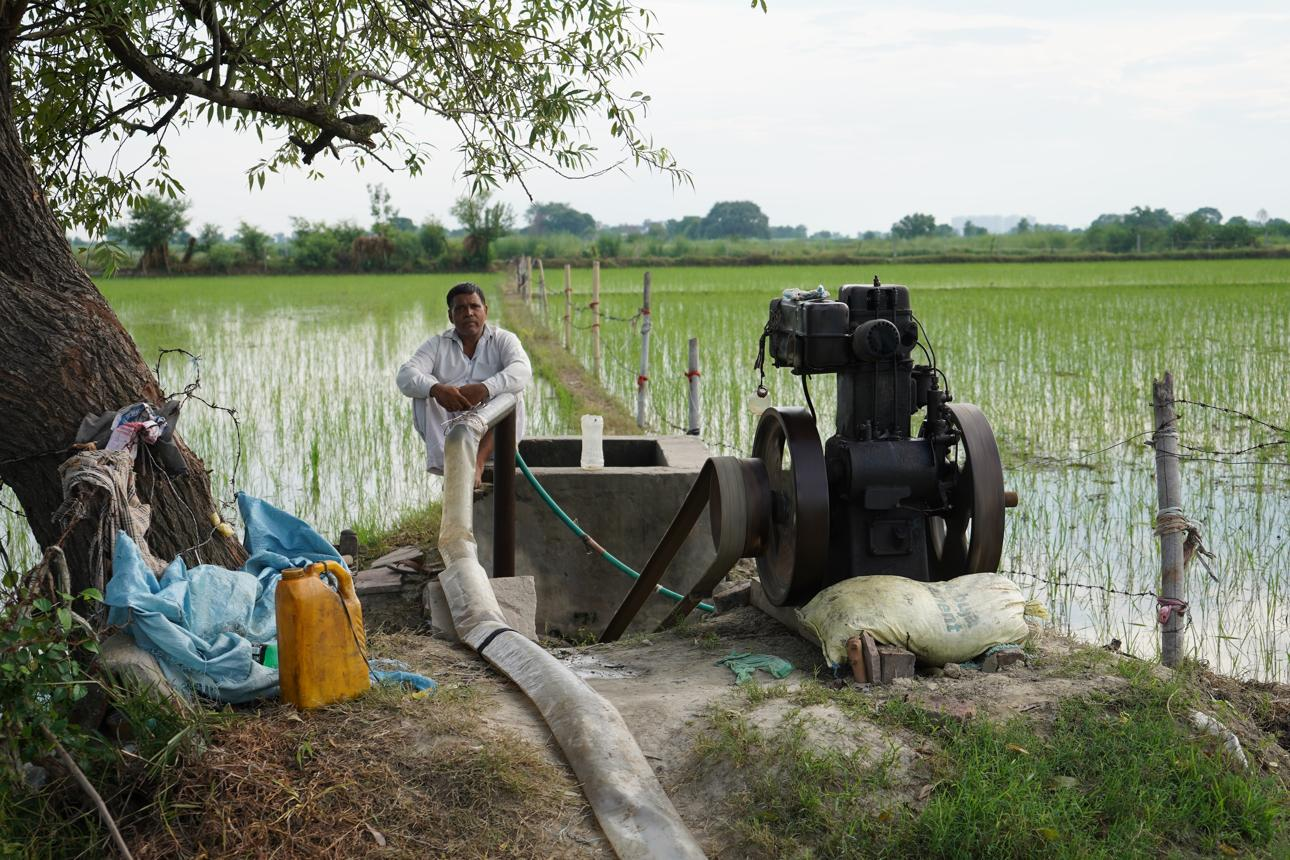
Haryana Agri Discom Initiative to Ensure Reliable Power Supply for Seven Lakh Farmers
The government of Haryana has taken a significant step toward strengthening its agricultural backbone through the launch of the Agri Discom initiative, designed to ensure reliable and efficient power supply for nearly seven lakh farmers across the state. This ambitious move reflects a broader commitment to improving rural infrastructure, enhancing farm productivity, and supporting the livelihoods of the farming community.
Agriculture remains a cornerstone of Haryana’s economy, and uninterrupted electricity is essential for irrigation, especially in a state where groundwater-based farming is widespread. The Agri Discom initiative focuses on dedicated power distribution systems for agriculture, separating rural domestic feeders from farm supply lines. This feeder segregation allows for better load management, reduced transmission losses, and more predictable power availability for farmers.
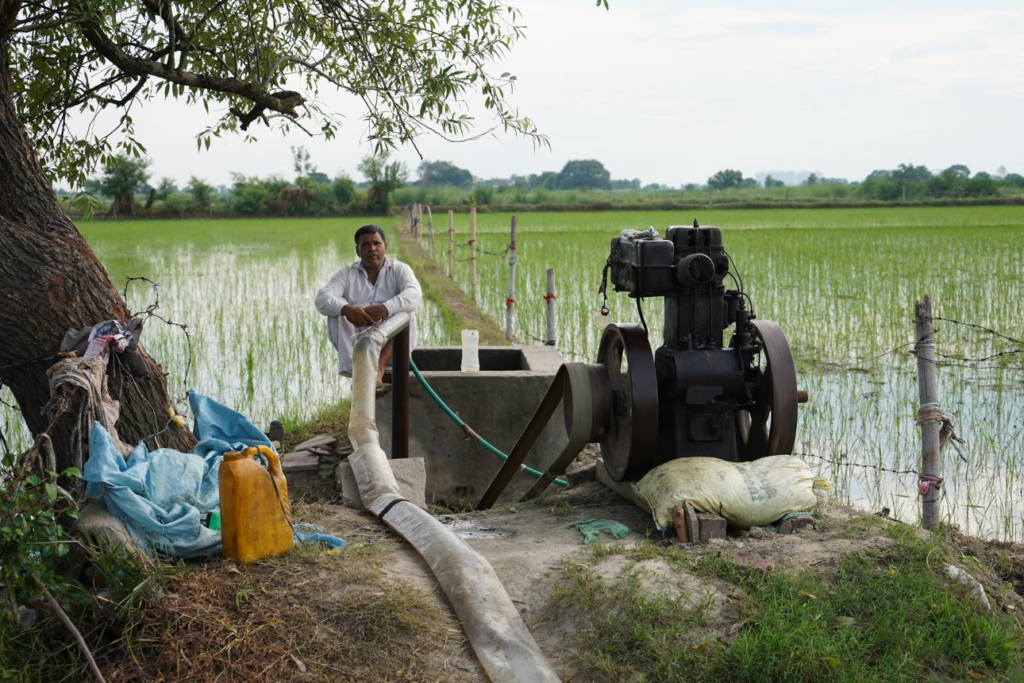
One of the key benefits of the initiative is the assurance of scheduled and reliable electricity supply. Farmers often face challenges due to irregular power, which affects irrigation cycles and crop yields. With the implementation of Agri Discom, the government aims to provide consistent power during designated hours, enabling farmers to plan their activities more efficiently. This reliability is expected to improve crop productivity and reduce dependency on alternative energy sources such as diesel pumps, thereby lowering input costs.
The initiative also incorporates advanced technology to enhance efficiency and transparency. Smart metering, real-time monitoring, and automated systems are being integrated into the power distribution network. These measures help in identifying faults quickly, minimizing outages, and ensuring better service delivery. Additionally, digital platforms enable farmers to access information about power schedules and report issues, fostering greater accountability.
From an environmental perspective, the Agri Discom initiative aligns with sustainable practices. By promoting efficient energy use and reducing reliance on diesel-powered irrigation, the program contributes to lower carbon emissions. The government is also exploring the integration of renewable energy sources, such as solar power, into the agricultural electricity network, further enhancing sustainability.
The economic impact of the initiative is expected to be substantial. Reliable power supply reduces operational uncertainties for farmers, leading to better crop management and higher incomes. It also supports allied sectors such as food processing and agro-based industries, which depend on consistent agricultural output. By strengthening the rural economy, the initiative contributes to overall state development.
Another important aspect of the program is its focus on inclusivity. The benefits of reliable power supply are being extended to farmers across all regions, including those in remote and underserved areas. This ensures that development is equitable and that smaller farmers also have access to improved infrastructure.
The success of the Agri Discom initiative depends on effective implementation and continuous monitoring. Coordination between power utilities, government agencies, and local communities is crucial to address challenges and ensure smooth operations. Training programs and awareness campaigns are also being conducted to help farmers adapt to the new system and make the most of its benefits.
...
...

...

...