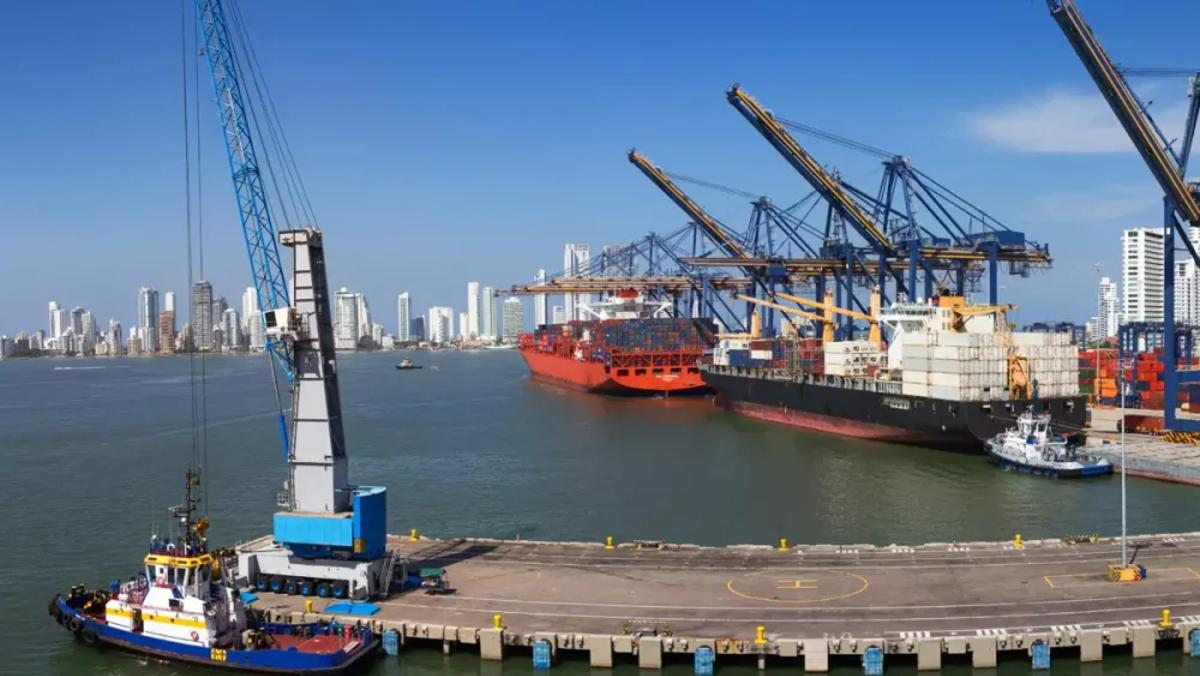
Syama Prasad Mookerjee Port Kolkata Sets All-Time Record Handling 64 Million Metric Tonnes Cargo
The Syama Prasad Mookerjee Port, Kolkata, has achieved a historic milestone by handling an all-time record cargo volume of 64 million metric tonnes (MMT) in a single financial year. This landmark accomplishment not only reinforces the port’s strategic importance in India’s maritime sector but also highlights its transformation into a modern, efficient, and future-ready logistics hub.
As India’s only riverine major port, SMPK occupies a unique position along the Hooghly River, serving as a critical gateway for eastern and northeastern India. For decades, the port has been a lifeline for trade and commerce in the region, connecting inland markets with global supply chains. The latest cargo handling record is a testament to the port’s resilience, adaptability, and commitment to operational excellence.
A key factor behind this achievement has been the port’s consistent focus on modernization and capacity enhancement. Over recent years, SMPK has undertaken significant infrastructure upgrades, including mechanization of cargo handling, modernization of berths, and introduction of advanced digital systems. These initiatives have resulted in faster turnaround times for vessels, improved cargo handling efficiency, and reduced operational bottlenecks.
The port operates through two major systems — the Kolkata Dock System (KDS) and the Haldia Dock Complex (HDC). Both have contributed significantly to the record-breaking performance. While KDS primarily handles containers, breakbulk, and general cargo, HDC specializes in bulk cargo such as coal, crude oil, and petroleum products. The complementary functioning of these two dock systems has enabled optimized cargo distribution and enhanced throughput.
Another major contributor to this success is the strengthening of multimodal connectivity. SMPK has significantly improved its integration with rail, road, and inland waterways, ensuring seamless movement of cargo across regions. The development of better rail linkages and highway connectivity has reduced transit times and logistics costs. Additionally, the utilization of inland waterways under National Waterway-1 has provided an eco-friendly and cost-effective transport alternative, further boosting cargo volumes.
The port’s strategic location also plays a vital role in its growing prominence. It serves as a key trade gateway not only for eastern India but also for neighboring countries such as Nepal, Bhutan, and Bangladesh. The increase in cross-border trade and regional cooperation has contributed to higher cargo traffic, strengthening SMPK’s position as a regional logistics hub.
Sustainability and environmental responsibility have also been central to the port’s growth strategy. SMPK has adopted several green initiatives, including the use of cleaner fuels, energy-efficient equipment, and improved waste management systems. Efforts such as shore power facilities and reduction of carbon emissions align with India’s broader vision of sustainable port development. These measures not only enhance environmental compliance but also improve operational efficiency in the long run.
The leadership and management of SMPK have played a crucial role in achieving this milestone. A proactive approach towards stakeholder engagement, policy implementation, and performance monitoring has ensured steady growth. Collaboration with private sector players, shipping lines, and logistics companies has further strengthened the port’s operational ecosystem.
The record cargo volume also reflects the broader economic growth of the region. Increased industrial activity, rising demand for raw materials, and growth in exports have all contributed to higher cargo movement. Key commodities such as coal, fertilizers, iron ore, steel, and containerized goods have witnessed significant growth, driving overall performance.
Technological advancements have further enhanced the port’s efficiency. The adoption of digital platforms for cargo tracking, automated documentation processes, and real-time monitoring systems has improved transparency and reduced delays. These innovations have made SMPK more competitive and aligned it with global standards in port operations.
Looking ahead, SMPK has ambitious plans to build on this success. Several expansion projects are in the pipeline, including deepening of draft levels to accommodate larger vessels, development of new cargo terminals, and enhancement of storage infrastructure. These initiatives will significantly increase the port’s capacity and enable it to handle growing trade volumes in the coming years.
The port is also focusing on promoting coastal shipping and inland water transport as sustainable alternatives to traditional logistics modes. By encouraging these methods, SMPK aims to reduce congestion on roads and railways.
Furthermore, the port is exploring opportunities to become a hub for transshipment and value-added services. By enhancing its capabilities in these areas, SMPK can attract more global trade and strengthen its position in international shipping networks.
In conclusion, the achievement of handling 64 MMT of cargo marks a defining moment in the history of Syama Prasad Mookerjee Port, Kolkata. It reflects the port’s successful transformation into a modern, efficient, and sustainable maritime hub. With continued investments in infrastructure, technology, and connectivity, SMPK is well-positioned to play a pivotal role in driving economic growth and facilitating trade not only for West Bengal but for the entire eastern region of India.

...
...
...

...