West Bengal’s First BJP Budget Focuses on Jobs, Welfare, and Economic Growth
The FY 2026–27 State Budget introduces a landmark 20 percentage point DA hike to 38%, announces one lakh government recruitments with 33% female reservation, and expands grassroots welfare.
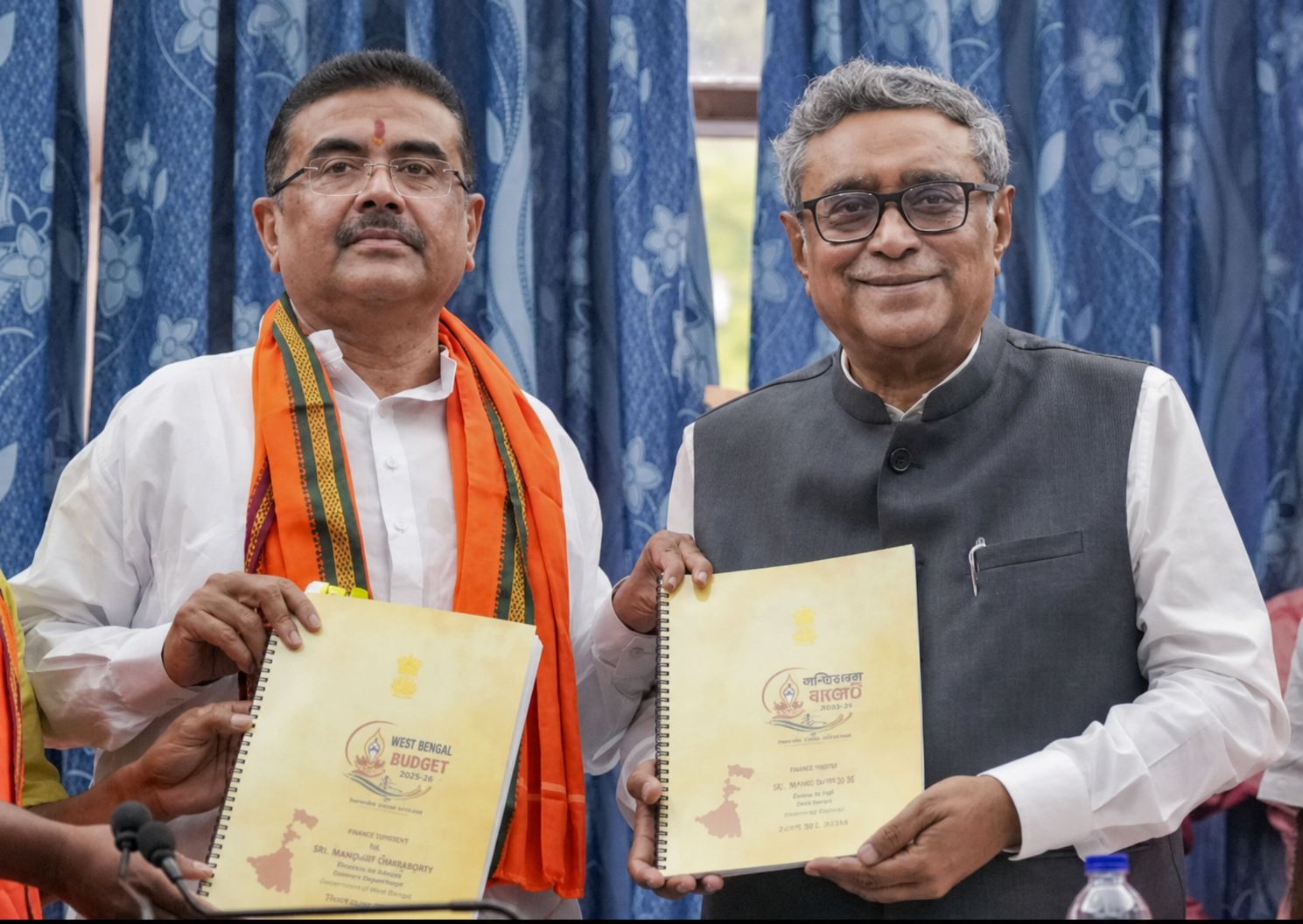
West Bengal’s first Budget under the newly elected government marks a profound shift in the state’s economic and administrative priorities. Presented for the financial year 2026–27, the comprehensive fiscal plan combines targeted welfare measures, massive employment generation, and public infrastructure modernization aimed at reviving economic competitiveness and improving essential public services across Bengal.
Among its most celebrated headline announcements is a 20 percentage point increase in Dearness Allowance (DA) for state government employees and pensioners, raising the total DA to 38%. This substantial raise narrows the long-standing financial disparity with Central Government staff, delivering direct, tangible relief against inflation to hundreds of thousands of employee households and significantly injecting fresh liquidity into the state's consumer markets.
One Lakh Public Recruitments with 33% Women’s Quota
Addressing one of the state's most pressing concerns, the Budget officially announced the notification of one lakh (100,000) vacant government positions across various departments, including school education, police administration, health services, and civil engineering.
In a decisive move toward gender parity and women empowerment, 33% of these vacancies are legally reserved for female candidates. This recruitment drive is designed to inject young talent into public administration while creating viable, high-quality career pathways for Bengal's educated youth.
Grassroots Welfare and Future-Ready Infrastructure
The fiscal allocations extend deep into social welfare and frontline security. The government announced higher monthly stipends and expanded health protections for ASHA workers and Anganwadi caregivers, acknowledging their indispensable role in rural healthcare delivery.
Concurrently, capital expenditures have been dedicated to digital governance platforms, artificial intelligence centers of excellence, regional highway corridors, and flood mitigation drainage across both South and North Bengal. If executed with efficiency, this roadmap promises to restore investor confidence, spur private enterprise, and usher in a resilient economic era for West Bengal.