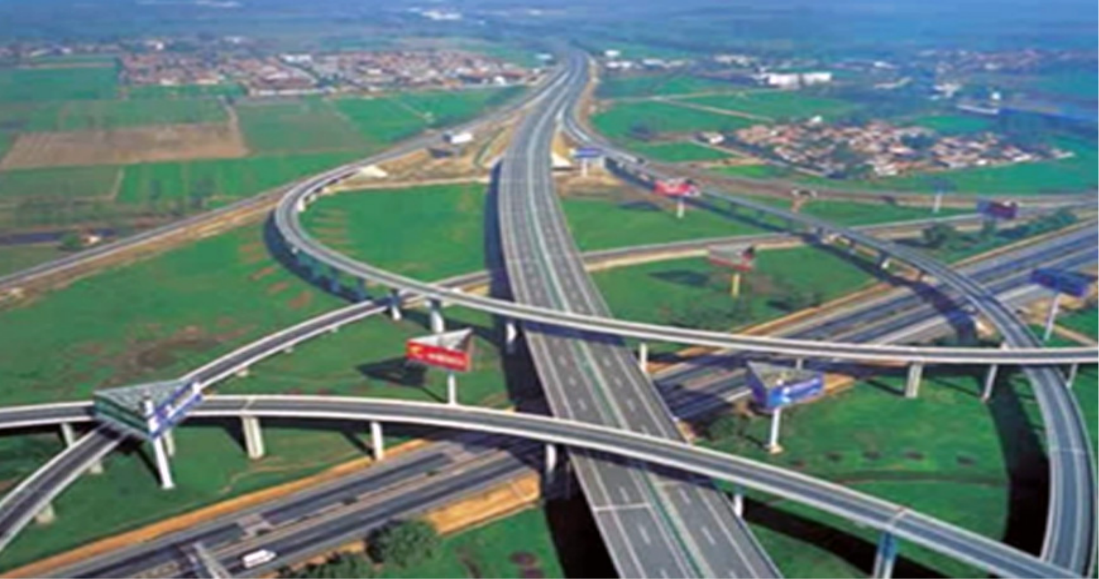
Delhi Government Launches Rs 50 Billion Ring Road Redevelopment to Transform Mahatma Gandhi Corridor
In a significant move aimed at revitalizing the capital’s urban landscape, the Delhi Government has unveiled an ambitious redevelopment plan for the Ring Road, marking the beginning of an extensive Rs 50 billion project. The initiative, which focuses on transforming the Mahatma Gandhi (MG) Corridor, is set to reshape the way Delhiites experience one of the city’s most vital transport arteries. With the goal of improving infrastructure, enhancing the aesthetic appeal, and making the area more pedestrian-friendly, the project promises to be a game-changer for the city.
The Ring Road, which encircles central Delhi, has long been a vital link for commuters traveling through the city. Serving as a key connector between various districts and providing access to crucial landmarks, it plays a central role in the daily flow of traffic. However, due to years of underdevelopment, pollution, congestion, and dilapidated infrastructure, the Ring Road and its adjoining areas have been in need of a major overhaul.
The Delhi Government’s vision for the area is multi-faceted. Beyond infrastructure upgrades, the project also focuses on improving environmental sustainability and ensuring the long-term usability of the area for future generations. This includes the creation of green spaces, the installation of modern street furniture, better pedestrian pathways, and an emphasis on efficient waste management systems.
The redevelopment project will involve a complete overhaul of the roadways, pedestrian pathways, and surrounding urban infrastructure.
1. Upgraded Road Infrastructure: The existing road network will be widened and modernized to accommodate the growing number of vehicles, reducing congestion and travel time. New lanes will be added in several sections to improve the traffic flow, and modern traffic management systems will be implemented to reduce bottlenecks during peak hours.
2. Improved Public Transport: One of the most exciting components of the redevelopment plan is the emphasis on public transport infrastructure. Dedicated lanes for buses and other forms of public transport will be introduced to promote mass transit and reduce dependency on private vehicles. This initiative is expected to help reduce the carbon footprint of the city and ease traffic congestion.
3. Green Spaces and Urban Landscaping: In line with the city’s push towards sustainable urbanization, the redevelopment will feature lush green spaces along the Ring Road. These green areas will not only enhance the aesthetic appeal of the area but also provide much-needed breathing spaces for the city’s residents. Tree plantations and the creation of parks will help mitigate the environmental impact of urban sprawl and improve air quality.
4. Pedestrian-Friendly Zones: A key focus of the project is to create pedestrian-friendly zones that will make walking along the corridor more comfortable and safe. Wider footpaths, safer crossings, and the installation of modern street furniture such as benches and shelters will encourage more people to walk or cycle, promoting a healthier lifestyle.
5. Smart Technology Integration: The project will also incorporate state-of-the-art technologies to enhance the safety and functionality of the area. Smart traffic signals, surveillance cameras, and intelligent lighting systems will be deployed to monitor traffic flow, ensure security, and improve energy efficiency. Additionally, Wi-Fi zones will be established to provide connectivity to the public.
6. Cultural and Heritage Conservation: The Mahatma Gandhi Corridor, which is rich in cultural and historical significance, will also see efforts to preserve and showcase Delhi’s heritage. The development will involve the restoration of heritage sites and the creation of spaces for public art, sculpture installations, and cultural events. These efforts aim to strike a balance between modern urban development and the city’s historical identity.
In addition to improving traffic and infrastructure, the redevelopment of the Ring Road is also set to bring significant environmental and social benefits. By incorporating green spaces, reducing congestion, and encouraging the use of public transportation, the project will help alleviate some of the environmental challenges faced by the city.
With air quality in Delhi being a major concern, the creation of more tree-lined corridors will help absorb pollutants and provide a more pleasant environment for residents.
This Rs 50 billion redevelopment of the Ring Road is a step toward building a smarter, greener, and more sustainable Delhi. The project reflects the government’s commitment to enhancing the city’s infrastructure and providing its residents with modern, safe, and environmentally friendly spaces. As the project progresses, it is expected to set a benchmark for future urban redevelopment projects in India’s growing cities.
While the redevelopment will take several years to complete, the benefits will be long-lasting, transforming the face of central Delhi for generations to come. The government’s investment in this key part of the city’s infrastructure underscores its focus on creating a livable, efficient, and sustainable urban environment. As the capital continues to grow, projects like this one will play a crucial role in shaping its future.

...
...

...

...