Haryana Government Green lights Development Projects Worth Rs 1,028 Crore for Police, Power, and PWD
In a significant move to strengthen governance, infrastructure, and public service delivery, the government of Haryana has approved development projects worth ₹1,028 crore across key sectors, including police modernization, power infrastructure, and Public Works Department (PWD) initiatives. The decision reflects a comprehensive approach to enhancing administrative efficiency, improving connectivity, and ensuring reliable public utilities for the state’s rapidly growing population.
The allocation for police infrastructure is a major highlight of the development package. The government has prioritized the construction and up gradation of police stations, training centers, and residential facilities for personnel. Modern policing requires not only advanced technology but also robust physical infrastructure, and these investments aim to create a more responsive and efficient law enforcement system. Improved facilities are expected to enhance working conditions for police personnel while enabling faster response times and better service to citizens.
In addition to physical infrastructure, the modernization efforts are likely to include the integration of digital technologies, surveillance systems, and data-driven policing tools. These advancements will strengthen crime prevention, investigation capabilities, and overall public safety. By investing in both infrastructure and technology, Haryana is positioning itself to meet the evolving challenges of law enforcement in a rapidly changing socio-economic environment.
The power sector has also received significant attention under the approved projects. Investments will focus on expanding and upgrading electricity transmission and distribution networks, ensuring a stable and uninterrupted power supply across urban and rural areas. New substations, improved grid infrastructure, and enhanced capacity are expected to address issues such as power outages and voltage fluctuations, which have long affected consumers and industries.
Reliable electricity is a cornerstone of economic development, and these initiatives are expected to have a far-reaching impact on industrial growth, agricultural productivity, and quality of life. For businesses, consistent power supply reduces operational disruptions and enhances competitiveness, while for households, it ensures better living standards and access to essential services.
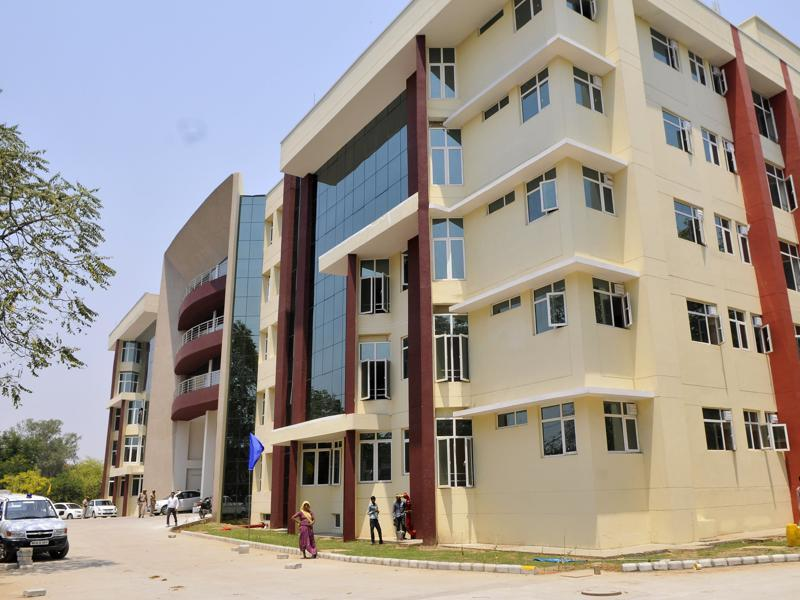
The Public Works Department (PWD) projects form another critical component of the development package. These initiatives include the construction and maintenance of roads, bridges, and government buildings, aimed at improving connectivity and supporting economic activity. Well-developed road networks facilitate the efficient movement of goods and people, reducing travel time and logistics costs.
Haryana’s strategic location as a key economic hub in northern India makes infrastructure development particularly important. Improved connectivity not only benefits local communities but also strengthens the state’s integration with national and regional markets. The PWD projects are expected to enhance accessibility to industrial zones, agricultural markets, and urban centers, contributing to balanced regional development.
The economic implications of these projects are substantial. Infrastructure development generates employment opportunities during both the construction and operational phases. From engineers and skilled laborers to support services, a wide range of job opportunities will be created, providing a boost to the local economy. Additionally, improved infrastructure attracts investment, further stimulating economic growth.
Another important aspect of the development package is its focus on inclusive growth. By addressing infrastructure gaps in both urban and rural areas, the government aims to ensure that the benefits of development are distributed equitably. Improved roads, reliable power supply, and enhanced public services contribute to better living conditions and increased opportunities for all sections of society.
Sustainability and efficiency are also key considerations in the implementation of these projects. Modern construction techniques, energy-efficient systems, and environmentally responsible practices are expected to be incorporated to minimize the ecological impact. This approach aligns with broader national goals of sustainable development and resource conservation.
The decision to approve these projects underscores the government’s commitment to proactive governance and long-term planning. By investing in critical sectors such as police, power, and infrastructure, Haryana is laying the foundation for sustained growth and improved public service delivery. The emphasis on modernization and capacity building reflects a forward-looking vision that seeks to address current challenges while preparing for future needs.
Public response to the announcement has been largely positive, with stakeholders recognizing the potential benefits of enhanced infrastructure and services. However, as with any large-scale development initiative, the success of these projects will depend on effective implementation, timely execution, and transparent monitoring. Ensuring accountability and maintaining high standards of quality will be crucial in achieving the desired outcomes.
Coordination between various government departments and agencies will play a key role in the smooth execution of these projects. Efficient project management, clear timelines, and regular progress reviews will help in overcoming potential challenges such as delays, cost overruns, and logistical issues. Leveraging technology for project monitoring and management can further enhance efficiency and transparency.
...
...
...

...