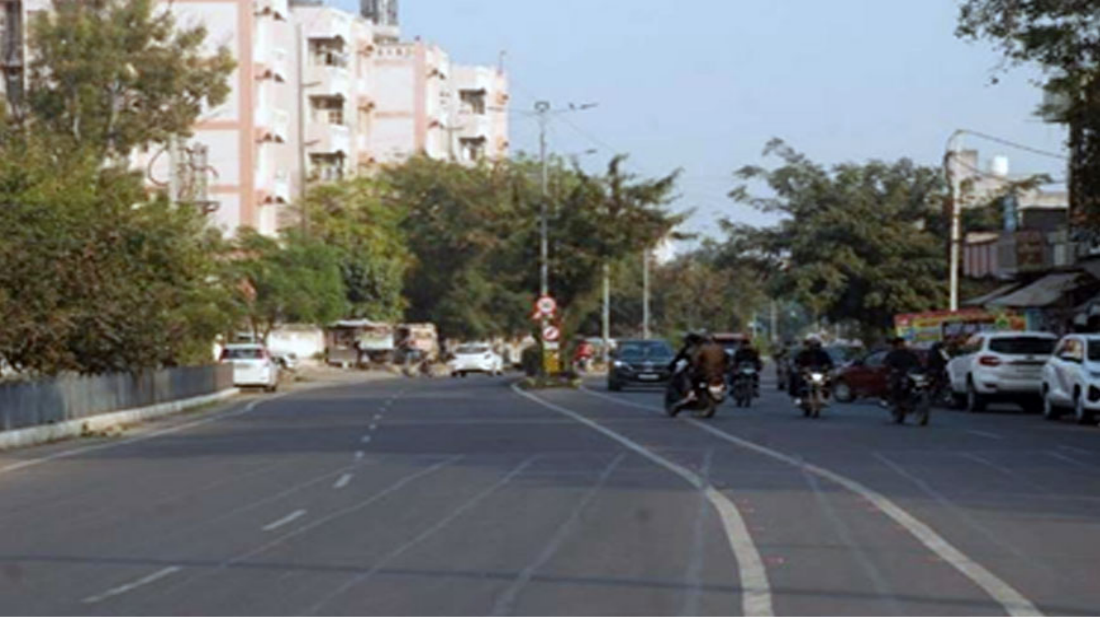
Haryana’s Karnal Shines as One of India’s Cleanest Cities, Bags President’s Honour
In a historic milestone for Haryana, Karnal Municipal Corporation (KMC) has become the first municipal corporation in the state to be honoured among the cleanest cities in India, winning the prestigious President’s Award under Swachh Survekshan 2024 25. The accolade, conferred on July 17, 2025, at New Delhi’s Vigyan Bhawan by President Droupadi Murmu, marks a landmark achievement in urban sanitation and governance.
The Cleanliness Achievement Unpacked
Karnal secured the third rank in the “Swachh Shehar” category, reserved for cities with populations between 50,000 and 3 lakh. With 11,067 points out of a maximum of 12,500, the city earned a 3 star ‘Garbage Free City’ rating and the coveted Water Plus status. This enhanced performance follows a consistent upward trend in previous editions—moving from rank 115 in 2023 to 3rd in 2025, a leap equivalent to climbing the entire mountain of sanitation excellence.
Breakdown of weightage:
- Visual collective cleanliness and sanitation systems (10,000 points)
- Garbage free status (1,300 points)
- Open defecation free (ODF) compliance (1,200 points)
Within these, Karnal achieved:
- 98% door to door waste collection
- 77% source segregation
- 76% waste processing ratio
- 100% marks in dumpsite improvement, cleanliness of residential/commercial zones, waterbody upkeep, and community toilets
City Leaders Praise Team Effort
During the award ceremony, Mayor Renu Bala Gupta extended heartfelt appreciation to sanitation staff, the ‘safai mitras’, and engaged citizenry, crediting the outcome to their perseverance and partnership. Municipal Commissioner Dr Vaishali Sharma echoed this sentiment, calling the workers the “true heroes” behind the success and emphasizing the role of collaborative governance in triggering sustainable urban change.
Their message was clear: this isn’t merely a trophy—it’s a pledge to constantly raise the bar in civic cleanliness and public welfare.
Haryana’s Broader Context: Growth, Strategy & Caution
Karnal’s triumph arrives amid a wider push by Haryana’s leadership to emulate Indore’s celebrated model, with Chief Minister Nayab Singh Saini urging urban leaders to replicate its success. The state has mobilised massive investments—urban local bodies’ budget soared from ₹1,693 crore in 2014–15 to ₹5,666 crore in 2025–26. Karnal, alongside Faridabad, is a designated smart city, hosting over ₹927 crore worth of projects under this scheme.
Yet across Haryana, there’s concern over sanitation data integrity: investigations revealed falsified reporting from 81 out of 87 local bodies, overstating 100% collection—even in cases where actual coverage was closer to 35–59%. Karnal, Panipat, Samalkha, Rohtak and Ganaur stood out for aligning real performance with reported data, reinforcing the legitimacy of Karnal’s high rank.
Triumph & Tension: Workers’ Protest Casts a Shadow
Ironically, as KMC celebrated national recognition, its sanitation workforce—the very backbone of the campaign—was staging a protest in town. Over 1,180 workers had staged a salary protest, with arrears stretching back two months; many withheld work, parking sweeping tools in front of the Corporation office. The workers demand rollback of biometric attendance systems and timely payment of dues, which they say have been ignored despite their pivotal role in earning the award.
City markets and streets reported piles of uncollected waste as the strike disrupted sanitation services. While the award ceremony took place in New Delhi, the streets of Karnal starkly reminded everyone: awards count only if dignity and rights accompany cleanliness progress.
Why this Matters: More Than a Title
- A governance milestone: KMC’s victory signals effective translation of central schemes like Swachh Bharat Mission into local success backed by real citizen engagement and administrative will.
- A role model for mid tier cities: Karnal’s transformation provides a replicable blueprint for similarly sized Indian cities to achieve excellence through systematic effort, infrastructure upgrade and smart usage of funds.
- A call for social justice: The protests underline the need for stars to be backed by structural fairness—timely wages, worker welfare and inclusive policies remain key to lasting change.
Looking Ahead: Beyond Rank to Sustained Cleanliness
Dr Sharma and Mayor Gupta have made it clear that hitting first place is now their next aim. But climbing further will demand resilience, especially:
- Maintenance of high collection rates and segregation;
- Continuous behaviour change campaigns among citizens;
- Permanent resolution of staff grievances and better welfare measures;
- Transparency in data and genuine collaboration with civic workers.
In Summary
Karnal’s ascent to the President’s Cleanest Cities Award is nothing short of phenomenal—a testament to governance, sanitation workers, and a community united under the banner of Swachh Bharat. But national recognition rings hollow if those who make it possible remain unheard. As the city basks in its moment of glory, the true test will be how it bridges the gap between the symbolic clean city and the just, equitable city.
If Karnal can do both, it may well become India’s next sustainability and urban governance beacon—leading from Haryana to the heart of the national clean city movement.

...

...

...

...