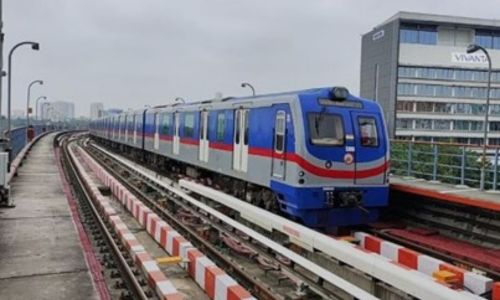
Kolkata Metro Orange Line Extension to Beleghata Set for Inauguration Boosting City Connectivity
The Kolkata Metro’s Orange Line extension to Beleghata is set for inauguration, marking a significant milestone in the city’s expanding urban transport network and promising to greatly enhance east–west connectivity. The new stretch is expected to ease commuting for thousands of daily passengers while strengthening links between residential, commercial, and institutional hubs in eastern Kolkata.
The Orange Line, officially known as the East–West Metro Corridor, has been designed to connect the eastern and western parts of the city through a fast, efficient mass transit system. The extension to Beleghata brings the metro closer to densely populated neighborhoods that have long relied on road transport and overcrowded bus services. With this development, residents of areas such as Salt Lake, Sector V, and adjoining localities are expected to experience reduced travel times and improved access to key parts of the city.
Beleghata, a major residential and institutional area, houses important healthcare facilities, government offices, and educational institutions. The arrival of the metro is anticipated to significantly improve accessibility to these establishments, benefiting patients, students, office-goers, and visitors alike. For commuters travelling from the IT and commercial zones of Salt Lake and Sector V, the extension offers a faster and more reliable alternative to congested roads, particularly during peak hours.
The extension is part of a broader phase of metro expansion in Kolkata that aims to modernize public transport and reduce pressure on surface traffic. Along with the Orange Line, other corridors such as the Yellow Line and Green Line are also being developed or extended to create an integrated metro network covering more parts of the city and its suburbs. Together, these projects reflect a long-term vision to promote sustainable urban mobility.
From an infrastructure perspective, the Orange Line extension incorporates modern design and safety features. Stations along the route are equipped with improved passenger amenities, including elevators, escalators, better signage, and enhanced security systems. Energy-efficient technologies and modern signaling systems have been deployed to ensure smoother operations and higher service reliability.
The project is also expected to have a positive environmental impact. By encouraging a shift from private vehicles to public transport, the metro extension can help reduce traffic congestion, fuel consumption, and air pollution in eastern Kolkata. Urban planners see this as a crucial step toward making the city more live able and environmentally sustainable.
Economically, improved metro connectivity often acts as a catalyst for local development. Areas around metro stations typically witness increased commercial activity, rising property values, and new business opportunities. The Beleghata extension is likely to stimulate local economies, support small businesses, and attract further investment in surrounding neighborhoods.
The inauguration of the extension holds symbolic importance as well. It highlights renewed momentum in Kolkata’s metro projects after years of phased development and operational challenges. For commuters, the focus remains on reliable service, frequency, and seamless integration with other transport modes such as buses, suburban rail, and last-mile connectivity options.
...
...

...
...