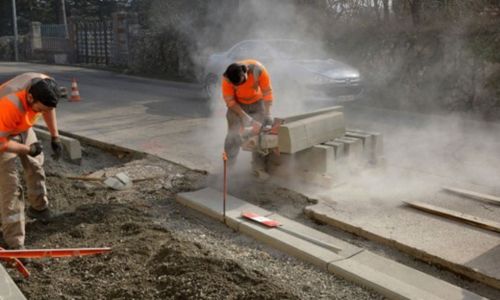
West Bengal Cabinet Green-Lights ₹84.87 Crore Road Development Plan Constructing 20,000 km of Rural and Urban Roads by 2026
West Bengal Cabinet Green-Lights ₹8,487 Crore Road Development Plan Constructing 20,000 km of Rural and Urban Roads by 2026
The West Bengal Cabinet has approved a large-scale road development plan with an outlay of ₹8,487 crore, aimed at constructing nearly 20,000 kilometers of roads across rural and urban areas of the state by 2026. The decision marks one of the most extensive infrastructure initiatives undertaken by the state government in recent years and reflects a focused effort to strengthen connectivity, improve mobility, and support economic growth across districts.
The approved plan covers both rural and urban road networks, with a significant emphasis on improving last-mile connectivity in villages and semi-urban regions. Of the total proposed length, more than 15,000 kilometers of roads will be developed in rural areas under state-sponsored schemes, while over 5,000 kilometers of roads will be constructed in urban zones, particularly within the Kolkata Metropolitan Area and other growing municipalities. The rural component accounts for the majority of the investment, highlighting the government’s intent to bridge infrastructure gaps between urban centers and the countryside.
According to officials, the project will be implemented primarily through existing state road development programs, including flagship initiatives focused on upgrading village roads, market link roads, and intra-block connectivity. These schemes aim to ensure that rural populations have smoother access to schools, healthcare facilities, agricultural markets, and public services. Improved road connectivity is expected to significantly reduce travel time, lower transportation costs, and enhance safety for commuters.
In urban areas, the road development plan is designed to address congestion, improve surface quality, and support expanding residential and commercial zones. With rapid urbanization placing pressure on existing infrastructure, the construction of new roads and the upgrading of old ones are expected to improve traffic flow and ease daily commutes. Authorities have indicated that special attention will be given to durability and drainage, particularly in areas prone to waterlogging during the monsoon season.
The state government has also outlined a clear execution strategy to ensure timely implementation. A dedicated tendering and monitoring mechanism has been put in place to fast-track contractor selection and maintain transparency. Construction work is expected to begin in phases from early 2026, with multiple agencies working simultaneously across districts to meet the ambitious completion timeline. Officials have stressed that strict quality control measures will be enforced to ensure long-term performance of the road assets.
Beyond physical infrastructure, the project is expected to deliver substantial economic and social benefits. Large-scale road construction is likely to generate significant employment opportunities, both directly and indirectly. Local labor, contractors, transport operators, and material suppliers are expected to benefit from increased demand, providing a boost to district-level economies. For rural households, improved roads can translate into better access to livelihood opportunities and essential services.
The agricultural sector is also expected to gain from enhanced connectivity. Better rural roads can reduce post-harvest losses by enabling quicker transport of produce to mandis and storage facilities. Farmers may benefit from improved access to inputs such as seeds, fertilizers, and machinery, while traders and cooperatives can operate more efficiently across regions. Over time, improved road networks can help integrate rural economies more closely with urban markets.
Tourism and small-scale industries are other sectors likely to benefit from the expanded road network. Improved access to heritage sites, religious destinations, and natural attractions in interior regions can support tourism-led development. For micro, small, and medium enterprises, better roads can lower logistics costs and encourage expansion into new markets.
The timing of the Cabinet’s approval is also significant, coming ahead of the 2026 Assembly elections. Infrastructure development has emerged as a key theme in the state’s governance narrative, with the government positioning improved roads as a visible and tangible outcome of public investment. By focusing on both rural and urban areas, the plan seeks to address a broad spectrum of voter concerns related to daily mobility, safety, and access.
Maintenance is another important consideration. While new roads can significantly improve connectivity, sustained funding and planning will be required to preserve their condition over time. The government has indicated that maintenance provisions will be integrated into the overall road management framework to protect the value of the assets created under the program.
Overall, the ₹8,487 crore road development plan represents a major step in West Bengal’s infrastructure roadmap. If implemented effectively, the construction of 20,000 kilometers of roads by 2026 has the potential to transform mobility across the state, stimulate economic activity, and improve quality of life for millions of residents. As the project moves from approval to execution, its progress will be closely watched as a key indicator of the state’s development priorities and administrative capacity.

...
...

...
...